Buy ditip.eu ?
We are moving the project
ditip.eu .
Are you interested in purchasing the domain
ditip.eu ?
domain@kv-gmbh.de · 0541-91531010
Buy ditip.eu ?
What is a therapeutic residential community (WG) 2?
A therapeutic residential community (WG) 2 is a supportive living environment designed to provide therapy and support for individuals dealing with mental health or substance abuse issues. It offers a structured and safe space for residents to work on their recovery, learn coping skills, and build a support network. The community typically includes a team of mental health professionals, counselors, and peers who work together to create a healing and nurturing environment. Residents are encouraged to participate in group therapy, individual counseling, and various activities aimed at promoting personal growth and well-being. **
What is a therapeutic residential community (WG) number 3?
Therapeutic residential community (WG) number 3 is a type of residential treatment program that provides a therapeutic environment for individuals who are struggling with mental health issues, substance abuse, or other behavioral challenges. These communities offer a structured and supportive living environment where residents can receive therapy, counseling, and support from trained professionals. The goal of WG number 3 is to help residents develop coping skills, build healthy relationships, and work towards recovery and stability. This type of program often includes a combination of individual and group therapy, life skills training, and recreational activities to support the overall well-being of residents. **

Similar search terms for Therapeutic
Top-Angebote
Products related to Therapeutic:
-
Uplifted Finds QuackCalm Ultra Plush Therapeutic Duck Toy flying Saucer"Therapeutic Duck. More than just a plaything, this ultraplush toy is specifically designed to provide emotional comfort and stress relief for puppies and senior dogs alike. Crafted with a soft, ""mothercoat"" texture, it serves as a perfect snuggle..."31,97 $*Shipping: 0,00 $Secure redirect to the provider



-
What am I allowed to bring to a therapeutic living community?
In a therapeutic living community, you are typically allowed to bring personal items such as clothing, toiletries, and any necessary medications. It's important to check with the specific community for any restrictions on items like electronics, sharp objects, or substances. Some communities may also have guidelines on the amount of personal belongings you can bring to ensure a safe and comfortable living environment for all residents. **
-
How long does one typically stay in a therapeutic residential community?
The length of stay in a therapeutic residential community can vary depending on the individual's needs and progress. Typically, individuals stay in these communities for several weeks to several months. Some programs may have a minimum stay requirement to ensure that individuals have enough time to work through their issues and make progress towards their treatment goals. Ultimately, the length of stay is determined by the individual's treatment plan and their progress in therapy. **
-
How long does the average person stay in a therapeutic residential community?
The length of stay in a therapeutic residential community can vary widely depending on the individual's needs and the program's structure. However, on average, individuals may stay in a therapeutic residential community for several months to a year. Some programs may offer shorter-term stays for crisis intervention or stabilization, while others may provide longer-term support for individuals with more complex needs. Ultimately, the length of stay is determined by the individual's progress and readiness to transition to less intensive levels of care. **
-
Are therapeutic trainings still recommended?
Yes, therapeutic trainings are still recommended for individuals seeking to become licensed therapists or counselors. These trainings provide essential knowledge and skills in areas such as counseling techniques, ethics, and cultural competence. Additionally, ongoing professional development and training are important for therapists to stay updated on the latest research and best practices in the field. Therefore, therapeutic trainings continue to be an important part of the education and professional growth for those in the mental health field. **


What is the difference between a therapeutic intensive educational and a therapeutic residential group?
A therapeutic intensive educational group typically focuses on providing intensive educational and therapeutic services to individuals who may be struggling with emotional, behavioral, or academic challenges. These groups often involve a structured and intensive educational program, along with therapeutic support and counseling. On the other hand, a therapeutic residential group provides a comprehensive and holistic therapeutic environment for individuals who require 24-hour care and support. This type of group typically offers a range of therapeutic services, including individual and group therapy, life skills training, and support for daily living activities, within a residential setting. **
Can social workers provide therapeutic treatment?
Yes, social workers can provide therapeutic treatment. They are trained to provide counseling and therapy to individuals, families, and groups to address a wide range of mental health and social issues. Social workers use various therapeutic approaches such as cognitive-behavioral therapy, solution-focused therapy, and trauma-informed therapy to help clients work through their challenges and improve their well-being. Additionally, social workers often work in collaboration with other mental health professionals to provide comprehensive therapeutic treatment. **
Top-Angebote
Products related to Therapeutic:
-
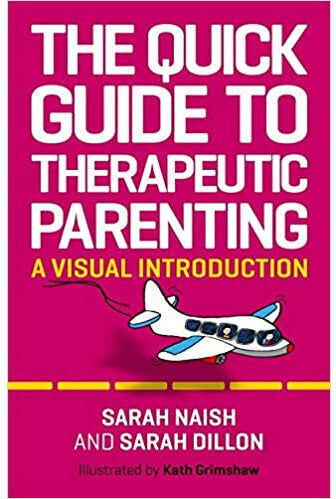
Jessica Kingsley Publishers The Quick Guide to Therapeutic Parenting: A Visual Introduction (Therapeutic Parenting Books) by Sarah NaishTherapeutic parenting is not your usual parenting style. It's a special, specific way to raise kids who have experienced trauma in their past, and requires a lot of commitment and determination - this is about far more than love and care.But where do you start?This book is the ideal first step for anyone who wants to understand how therapeutic parenting works. It offers simple summaries of the key ideas behind it, fully illustrated throughout with informative cartoons and graphics. Over 40 different issues are covered, from dysregulation and fear, to setting boundaries and parenting in the midst of trauma.The perfect introduction for new therapeutic parents, family members, teachers or other adults who need to help support you and your child, this Quick Guide will also be a source of inspiration for more experienced parents.13,20 £*Shipping: 2,99 £Secure redirect to the provider
-
Uplifted Finds QuackCalm Ultra Plush Therapeutic Duck Toy blue Elephant"Therapeutic Duck. More than just a plaything, this ultraplush toy is specifically designed to provide emotional comfort and stress relief for puppies and senior dogs alike. Crafted with a soft, ""mothercoat"" texture, it serves as a perfect snuggle..."36,97 $*Shipping: 0,00 $Secure redirect to the provider
-
Uplifted Finds QuackCalm Ultra Plush Therapeutic Duck Toy flying Saucer"Therapeutic Duck. More than just a plaything, this ultraplush toy is specifically designed to provide emotional comfort and stress relief for puppies and senior dogs alike. Crafted with a soft, ""mothercoat"" texture, it serves as a perfect snuggle..."31,97 $*Shipping: 0,00 $Secure redirect to the provider
-
What is a therapeutic residential community (WG) 2?
A therapeutic residential community (WG) 2 is a supportive living environment designed to provide therapy and support for individuals dealing with mental health or substance abuse issues. It offers a structured and safe space for residents to work on their recovery, learn coping skills, and build a support network. The community typically includes a team of mental health professionals, counselors, and peers who work together to create a healing and nurturing environment. Residents are encouraged to participate in group therapy, individual counseling, and various activities aimed at promoting personal growth and well-being. **
-
What is a therapeutic residential community (WG) number 3?
Therapeutic residential community (WG) number 3 is a type of residential treatment program that provides a therapeutic environment for individuals who are struggling with mental health issues, substance abuse, or other behavioral challenges. These communities offer a structured and supportive living environment where residents can receive therapy, counseling, and support from trained professionals. The goal of WG number 3 is to help residents develop coping skills, build healthy relationships, and work towards recovery and stability. This type of program often includes a combination of individual and group therapy, life skills training, and recreational activities to support the overall well-being of residents. **
-
What am I allowed to bring to a therapeutic living community?
In a therapeutic living community, you are typically allowed to bring personal items such as clothing, toiletries, and any necessary medications. It's important to check with the specific community for any restrictions on items like electronics, sharp objects, or substances. Some communities may also have guidelines on the amount of personal belongings you can bring to ensure a safe and comfortable living environment for all residents. **
-
How long does one typically stay in a therapeutic residential community?
The length of stay in a therapeutic residential community can vary depending on the individual's needs and progress. Typically, individuals stay in these communities for several weeks to several months. Some programs may have a minimum stay requirement to ensure that individuals have enough time to work through their issues and make progress towards their treatment goals. Ultimately, the length of stay is determined by the individual's treatment plan and their progress in therapy. **
Similar search terms for Therapeutic
-
Uplifted Finds QuackCalm Ultra Plush Therapeutic Duck Toy blue Octopus"Therapeutic Duck. More than just a plaything, this ultraplush toy is specifically designed to provide emotional comfort and stress relief for puppies and senior dogs alike. Crafted with a soft, ""mothercoat"" texture, it serves as a perfect snuggle..."41,97 $*Shipping: 0,00 $Secure redirect to the provider
-
Uplifted Finds QuackCalm Ultra Plush Therapeutic Duck Toy large Duck"Therapeutic Duck. More than just a plaything, this ultraplush toy is specifically designed to provide emotional comfort and stress relief for puppies and senior dogs alike. Crafted with a soft, ""mothercoat"" texture, it serves as a perfect snuggle..."71,97 $*Shipping: 0,00 $Secure redirect to the provider
-
How long does the average person stay in a therapeutic residential community?
The length of stay in a therapeutic residential community can vary widely depending on the individual's needs and the program's structure. However, on average, individuals may stay in a therapeutic residential community for several months to a year. Some programs may offer shorter-term stays for crisis intervention or stabilization, while others may provide longer-term support for individuals with more complex needs. Ultimately, the length of stay is determined by the individual's progress and readiness to transition to less intensive levels of care. **
-
Are therapeutic trainings still recommended?
Yes, therapeutic trainings are still recommended for individuals seeking to become licensed therapists or counselors. These trainings provide essential knowledge and skills in areas such as counseling techniques, ethics, and cultural competence. Additionally, ongoing professional development and training are important for therapists to stay updated on the latest research and best practices in the field. Therefore, therapeutic trainings continue to be an important part of the education and professional growth for those in the mental health field. **
-
What is the difference between a therapeutic intensive educational and a therapeutic residential group?
A therapeutic intensive educational group typically focuses on providing intensive educational and therapeutic services to individuals who may be struggling with emotional, behavioral, or academic challenges. These groups often involve a structured and intensive educational program, along with therapeutic support and counseling. On the other hand, a therapeutic residential group provides a comprehensive and holistic therapeutic environment for individuals who require 24-hour care and support. This type of group typically offers a range of therapeutic services, including individual and group therapy, life skills training, and support for daily living activities, within a residential setting. **
-
Can social workers provide therapeutic treatment?
Yes, social workers can provide therapeutic treatment. They are trained to provide counseling and therapy to individuals, families, and groups to address a wide range of mental health and social issues. Social workers use various therapeutic approaches such as cognitive-behavioral therapy, solution-focused therapy, and trauma-informed therapy to help clients work through their challenges and improve their well-being. Additionally, social workers often work in collaboration with other mental health professionals to provide comprehensive therapeutic treatment. **
* All prices are inclusive of VAT and, if applicable, plus shipping costs. The offer information is based on the details provided by the respective shop and is updated through automated processes. Real-time updates do not occur, so deviations can occur in individual cases. ** Note: Parts of this content were created by AI.