Buy ditip.eu ?
We are moving the project
ditip.eu .
Are you interested in purchasing the domain
ditip.eu ?
domain@kv-gmbh.de · 0541-91531010
Buy ditip.eu ?
What is the replication origin in DNA replication?
The replication origin is a specific sequence of DNA where the process of DNA replication begins. It is the site where the two strands of the DNA double helix are separated and the replication machinery is assembled. The replication origin is recognized by specific proteins that initiate the unwinding of the DNA and the synthesis of new DNA strands. Each DNA molecule has multiple replication origins to ensure that the entire genome is replicated efficiently. **
What is semiconservative replication?
Semiconservative replication is the process by which DNA is copied during cell division. In this process, the two strands of the DNA double helix separate, and each strand serves as a template for the synthesis of a new complementary strand. As a result, each new DNA molecule contains one original strand and one newly synthesized strand. This ensures that the genetic information is preserved and passed on to the next generation of cells. This process was first proposed by James Watson and Francis Crick in 1953. **

Similar search terms for Replication
Top-Angebote
Products related to Replication:
-
Nails Inc. Plant Power long-lasting nail polish shade What's Your Spirituality 14 mlNails Inc. Plant Power, 14 ml, Nail Varnishes for Women, A gorgeous manicure as though you’d just left the nail salon? The Nails Inc. Plant Power nail polish lets you achieve it in the comfort of your own home. It coats the surface of the nail with a continuous layer of long-lasting, intense colour with a glossy finish, helping to give your nails a manicured, perfectly groomed look. You can use it to accentuate your nails or perhaps to enhance your outfit and style. So which colour will you choose to make your nails pop? Characteristics: bright, rich colour ensures a high gloss easy to apply Ingredients: vegan product no acetone How to use: Apply the polish using a brush for polish-free, degreased nails. For best results, apply two layers.8,70 £*Shipping: 3,99 £Secure redirect to the provider
-
Skip's Garage Faith Over Fear Cornhole Boards"Includes: (2) ACA Regulation Size Cornhole Boards. Boards are Regulation 24"" Wide x 48"" Long. Easily Add All-Weather Resin Filled Bags. Add Accessories like a Carrying Case or Board Lights. Lights are Multicolor and Easily Change Colors & Modes."471,49 $*Shipping: 0,00 $Secure redirect to the provider
-
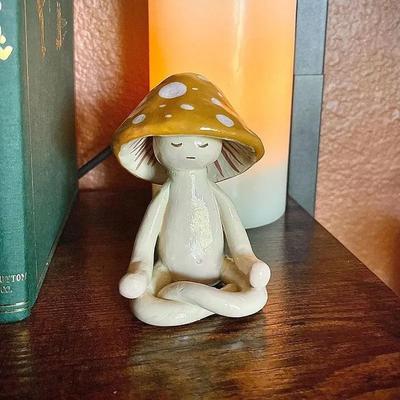
Uplift Essentials Meditation Mushroom Resin Ornament Meditation Mushroom Resin OrnamentBring a touch of calm and charm to your home with this meditation mushroom resin ornament. Featuring an adorable mushroom figure sitting peacefully in a yoga pose, this decorative piece adds a relaxing and whimsical presence to any room. Its smooth...58,97 $*Shipping: 0,00 $Secure redirect to the provider



-
What is DNA replication?
DNA replication is the process by which a cell makes an identical copy of its DNA. This process is essential for cell division and the transmission of genetic information from one generation to the next. It involves the unwinding of the DNA double helix, the synthesis of new complementary strands using the existing strands as templates, and the proofreading and correction of any errors. DNA replication ensures that each new cell receives a complete and accurate set of genetic instructions. **
-
What is RNA self-replication?
RNA self-replication is a process where RNA molecules are able to catalyze their own replication without the need for external enzymes. This ability is crucial for the early evolution of life on Earth, as it is believed to be a key step in the transition from prebiotic chemistry to the emergence of life. RNA self-replication involves the RNA molecule acting as both a template and an enzyme, allowing it to make copies of itself. This process is a fundamental aspect of the RNA world hypothesis, which suggests that RNA played a central role in the origin of life. **
-
How does DNA replication occur?
DNA replication occurs in a semi-conservative manner, where the two strands of the double helix are separated and each strand serves as a template for the synthesis of a new complementary strand. The enzyme helicase unwinds the double helix, creating two single strands. DNA polymerase then adds new nucleotides to each single strand, following the base-pairing rules (A with T, and C with G). This results in two identical double-stranded DNA molecules, each containing one original strand and one newly synthesized strand. **
-
Where does DNA replication occur?
DNA replication occurs in the nucleus of eukaryotic cells and in the cytoplasm of prokaryotic cells. In eukaryotic cells, DNA replication takes place during the S phase of the cell cycle, when the DNA is duplicated to ensure that each daughter cell receives a complete set of genetic information. The process involves the unwinding of the DNA double helix, the synthesis of new DNA strands using existing strands as templates, and the proofreading and correction of errors. Overall, DNA replication is a fundamental process that ensures the accurate transmission of genetic information from one generation to the next. **

What is a replication bubble?
A replication bubble is a region of DNA where the double helix has been unwound and separated to allow for DNA replication to occur. It is formed by the action of helicase enzymes that unwind the DNA strands, creating two single-stranded templates for the replication process. The replication bubble expands as the replication machinery moves along the DNA, synthesizing new strands of DNA. Replication bubbles are a key feature of DNA replication and allow for the efficient and accurate copying of genetic information. **
How does semiconservative DNA replication occur?
Semiconservative DNA replication occurs in the following way: the double-stranded DNA molecule unwinds and separates into two strands. Each separated strand serves as a template for the synthesis of a new complementary strand. Enzymes called DNA polymerases add nucleotides to the new strands based on the complementary base pairing rules (A with T, C with G). As a result, two identical DNA molecules are produced, each consisting of one original strand and one newly synthesized strand. This process ensures that genetic information is faithfully passed on to daughter cells during cell division. **
Top-Angebote
Products related to Replication:
-
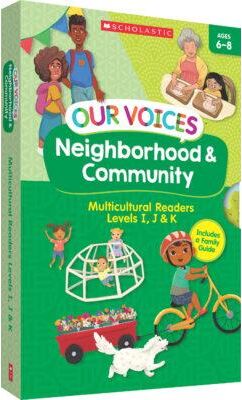
Our Voices: Neighborhood & Community Boxed SetFoster a feeling of belonging while building key reading skills with these colorful storybooks that spotlight a variety of neighborhoods and communities. The 10 charming stories feature characters from different cultural backgrounds who learn about...30,59 $*Shipping: 0,00 $Secure redirect to the provider
-
Inspire Picks Red Ritual Candle Esoteric Spiritual Male & Female Figure Candle For Meditation, Prayer & Religious Ceremonies 1 PcsCreate a peaceful and meaningful atmosphere with this ritual candle designed for spiritual practices, meditation, and ceremonial use. Crafted in a distinctive male or female figure design, this spiritual candle serves as a symbolic decorative piece...61,32 $*Shipping: 0,00 $Secure redirect to the provider
-
Nails Inc. Plant Power long-lasting nail polish shade What's Your Spirituality 14 mlNails Inc. Plant Power, 14 ml, Nail Varnishes for Women, A gorgeous manicure as though you’d just left the nail salon? The Nails Inc. Plant Power nail polish lets you achieve it in the comfort of your own home. It coats the surface of the nail with a continuous layer of long-lasting, intense colour with a glossy finish, helping to give your nails a manicured, perfectly groomed look. You can use it to accentuate your nails or perhaps to enhance your outfit and style. So which colour will you choose to make your nails pop? Characteristics: bright, rich colour ensures a high gloss easy to apply Ingredients: vegan product no acetone How to use: Apply the polish using a brush for polish-free, degreased nails. For best results, apply two layers.8,70 £*Shipping: 3,99 £Secure redirect to the provider
-
Skip's Garage Faith Over Fear Cornhole Boards"Includes: (2) ACA Regulation Size Cornhole Boards. Boards are Regulation 24"" Wide x 48"" Long. Easily Add All-Weather Resin Filled Bags. Add Accessories like a Carrying Case or Board Lights. Lights are Multicolor and Easily Change Colors & Modes."471,49 $*Shipping: 0,00 $Secure redirect to the provider
-
What is the replication origin in DNA replication?
The replication origin is a specific sequence of DNA where the process of DNA replication begins. It is the site where the two strands of the DNA double helix are separated and the replication machinery is assembled. The replication origin is recognized by specific proteins that initiate the unwinding of the DNA and the synthesis of new DNA strands. Each DNA molecule has multiple replication origins to ensure that the entire genome is replicated efficiently. **
-
What is semiconservative replication?
Semiconservative replication is the process by which DNA is copied during cell division. In this process, the two strands of the DNA double helix separate, and each strand serves as a template for the synthesis of a new complementary strand. As a result, each new DNA molecule contains one original strand and one newly synthesized strand. This ensures that the genetic information is preserved and passed on to the next generation of cells. This process was first proposed by James Watson and Francis Crick in 1953. **
-
What is DNA replication?
DNA replication is the process by which a cell makes an identical copy of its DNA. This process is essential for cell division and the transmission of genetic information from one generation to the next. It involves the unwinding of the DNA double helix, the synthesis of new complementary strands using the existing strands as templates, and the proofreading and correction of any errors. DNA replication ensures that each new cell receives a complete and accurate set of genetic instructions. **
-
What is RNA self-replication?
RNA self-replication is a process where RNA molecules are able to catalyze their own replication without the need for external enzymes. This ability is crucial for the early evolution of life on Earth, as it is believed to be a key step in the transition from prebiotic chemistry to the emergence of life. RNA self-replication involves the RNA molecule acting as both a template and an enzyme, allowing it to make copies of itself. This process is a fundamental aspect of the RNA world hypothesis, which suggests that RNA played a central role in the origin of life. **
Similar search terms for Replication
-
Uplift Essentials Meditation Mushroom Resin Ornament Meditation Mushroom Resin OrnamentBring a touch of calm and charm to your home with this meditation mushroom resin ornament. Featuring an adorable mushroom figure sitting peacefully in a yoga pose, this decorative piece adds a relaxing and whimsical presence to any room. Its smooth...58,97 $*Shipping: 0,00 $Secure redirect to the provider
-
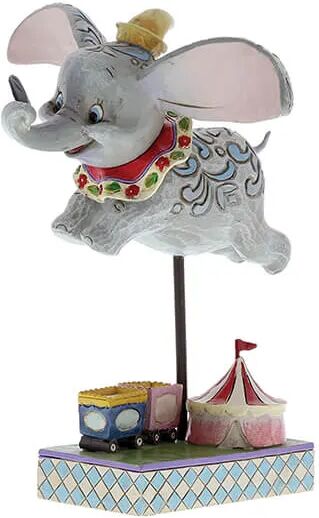
Disney Traditions by Jim Shore Faith in Flight Dumbo FigurineThe Disney Traditions Faith in Flight Dumbo Figurine shows the beloved elephant, Dumbo, mid flight as he uses his large ears to fly away from the circus that can be seen below. It makes a wonderful gift for the avid Disney devotee, or family and friends, and will look lovely on a mantelpiece or dressing table and even better as part of a Disney Traditions collection. The intricate etching and details included in this figurine not only add an extra level of dimension, but also make it unmistakably Jim Shore. Hand painted and hand carved. Comes in a branded gift box. Dimensions: 11.5 (H) x 11 (W) x 9 (D) cm.22,45 £*Shipping: 3,50 £Secure redirect to the provider
-
Inspire Picks Red Ritual Candle Esoteric Spiritual Male & Female Figure Candle For Meditation, Prayer & Religious Ceremonies 2 PcsCreate a peaceful and meaningful atmosphere with this ritual candle designed for spiritual practices, meditation, and ceremonial use. Crafted in a distinctive male or female figure design, this spiritual candle serves as a symbolic decorative piece...65,59 $*Shipping: 0,00 $Secure redirect to the provider
-
How does DNA replication occur?
DNA replication occurs in a semi-conservative manner, where the two strands of the double helix are separated and each strand serves as a template for the synthesis of a new complementary strand. The enzyme helicase unwinds the double helix, creating two single strands. DNA polymerase then adds new nucleotides to each single strand, following the base-pairing rules (A with T, and C with G). This results in two identical double-stranded DNA molecules, each containing one original strand and one newly synthesized strand. **
-
Where does DNA replication occur?
DNA replication occurs in the nucleus of eukaryotic cells and in the cytoplasm of prokaryotic cells. In eukaryotic cells, DNA replication takes place during the S phase of the cell cycle, when the DNA is duplicated to ensure that each daughter cell receives a complete set of genetic information. The process involves the unwinding of the DNA double helix, the synthesis of new DNA strands using existing strands as templates, and the proofreading and correction of errors. Overall, DNA replication is a fundamental process that ensures the accurate transmission of genetic information from one generation to the next. **
-
What is a replication bubble?
A replication bubble is a region of DNA where the double helix has been unwound and separated to allow for DNA replication to occur. It is formed by the action of helicase enzymes that unwind the DNA strands, creating two single-stranded templates for the replication process. The replication bubble expands as the replication machinery moves along the DNA, synthesizing new strands of DNA. Replication bubbles are a key feature of DNA replication and allow for the efficient and accurate copying of genetic information. **
-
How does semiconservative DNA replication occur?
Semiconservative DNA replication occurs in the following way: the double-stranded DNA molecule unwinds and separates into two strands. Each separated strand serves as a template for the synthesis of a new complementary strand. Enzymes called DNA polymerases add nucleotides to the new strands based on the complementary base pairing rules (A with T, C with G). As a result, two identical DNA molecules are produced, each consisting of one original strand and one newly synthesized strand. This process ensures that genetic information is faithfully passed on to daughter cells during cell division. **
* All prices are inclusive of VAT and, if applicable, plus shipping costs. The offer information is based on the details provided by the respective shop and is updated through automated processes. Real-time updates do not occur, so deviations can occur in individual cases. ** Note: Parts of this content were created by AI.