Buy ditip.eu ?
We are moving the project
ditip.eu .
Are you interested in purchasing the domain
ditip.eu ?
domain@kv-gmbh.de · 0541-91531010
Buy ditip.eu ?
What is meant by immanent poetics?
Immanent poetics refers to the idea that the meaning of a poem is contained within the poem itself, rather than being dependent on external factors such as the author's intentions or historical context. It emphasizes close reading and analysis of the text to uncover its inherent structure, language, and imagery. Immanent poetics encourages readers to focus on the formal elements of a poem, such as rhythm, rhyme, and syntax, to understand its meaning and significance. **
What is the meaning of "text-immanent"?
"Text-immanent" refers to the qualities or elements of a text that are present within the text itself, rather than being influenced by external factors such as the author's biography or historical context. It focuses on the internal structure, language, and themes of the text, and how they contribute to its meaning. This approach is often used in literary analysis to closely examine the text itself, without considering outside influences. **

Similar search terms for Immanent
Top-Angebote
Products related to Immanent:
-
Nails Inc. Plant Power long-lasting nail polish shade What's Your Spirituality 14 mlNails Inc. Plant Power, 14 ml, Nail Varnishes for Women, A gorgeous manicure as though you’d just left the nail salon? The Nails Inc. Plant Power nail polish lets you achieve it in the comfort of your own home. It coats the surface of the nail with a continuous layer of long-lasting, intense colour with a glossy finish, helping to give your nails a manicured, perfectly groomed look. You can use it to accentuate your nails or perhaps to enhance your outfit and style. So which colour will you choose to make your nails pop? Characteristics: bright, rich colour ensures a high gloss easy to apply Ingredients: vegan product no acetone How to use: Apply the polish using a brush for polish-free, degreased nails. For best results, apply two layers.8,70 £*Shipping: 3,99 £Secure redirect to the provider
-
Skip's Garage Faith Over Fear Cornhole Boards"Includes: (2) ACA Regulation Size Cornhole Boards. Boards are Regulation 24"" Wide x 48"" Long. Easily Add All-Weather Resin Filled Bags. Add Accessories like a Carrying Case or Board Lights. Lights are Multicolor and Easily Change Colors & Modes."471,49 $*Shipping: 0,00 $Secure redirect to the provider
-
Uplift Essentials Meditation Mushroom Resin Ornament Meditation Mushroom Resin OrnamentBring a touch of calm and charm to your home with this meditation mushroom resin ornament. Featuring an adorable mushroom figure sitting peacefully in a yoga pose, this decorative piece adds a relaxing and whimsical presence to any room. Its smooth...58,97 $*Shipping: 0,00 $Secure redirect to the provider




-
What is immanent and fundamental criticism of religion?
Immanent and fundamental criticism of religion refers to the critique of religious beliefs and practices from within the framework of the religion itself. This type of criticism seeks to uncover and challenge the internal inconsistencies, contradictions, and injustices within the religious tradition. It aims to promote a deeper understanding and reform of the religion, rather than outright rejection or dismissal. Immanent and fundamental criticism often draws on the core teachings and values of the religion to advocate for change and improvement. **
-
What is the difference between a transcendent and an immanent God?
A transcendent God is one who exists outside of the physical world and is beyond human understanding, while an immanent God is one who is present and active within the physical world. Transcendent Gods are often seen as distant and separate from creation, while immanent Gods are seen as intimately involved in the world and its affairs. The concept of a transcendent God emphasizes the divine's greatness and otherness, while the concept of an immanent God emphasizes the divine's closeness and accessibility to humanity. **
-
What is the difference between a text-immanent and a text-external interpretation?
A text-immanent interpretation focuses solely on the content and structure of the text itself, without considering any external factors such as the author's background or historical context. It looks at the text as a self-contained entity, analyzing its language, themes, and symbols. On the other hand, a text-external interpretation takes into account external factors such as the author's biography, historical context, and cultural influences to understand the text in a broader context. It considers how these external elements may have influenced the creation and meaning of the text. **
-
What is the difference between immanent to the work and transcending the work?
Immanent to the work refers to elements or qualities that are inherent within the work itself, such as its themes, style, or structure. These are aspects that are contained within the work and contribute to its meaning and impact. On the other hand, transcending the work refers to elements that go beyond the work itself, such as its influence on other works, its cultural significance, or its lasting impact on society. These are aspects that extend beyond the boundaries of the work and have a broader, more far-reaching significance. **


What is the difference between an immanent and an external interpretation of a text?
An immanent interpretation of a text focuses on analyzing the text itself, looking at its internal elements such as language, structure, and themes to derive meaning. This approach emphasizes understanding the text on its own terms without considering external factors like the author's background or historical context. On the other hand, an external interpretation involves looking beyond the text to consider factors outside of it, such as the author's biography, historical events, or cultural influences that may have shaped the text. This approach seeks to understand the text by placing it within a broader context. **
Is spirituality the same as faith?
Spirituality and faith are related concepts but not exactly the same. Faith typically refers to a belief in something without requiring evidence, often associated with religious beliefs. On the other hand, spirituality is a broader concept that can encompass a sense of connection to something greater than oneself, a search for meaning and purpose in life, and personal growth and self-awareness. While faith can be a component of spirituality, spirituality can exist without a specific religious belief. **
Top-Angebote
Products related to Immanent:
-
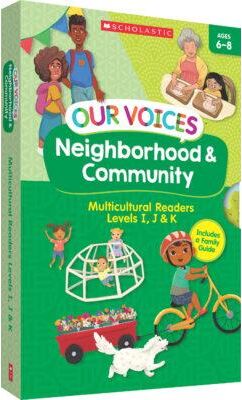
Our Voices: Neighborhood & Community Boxed SetFoster a feeling of belonging while building key reading skills with these colorful storybooks that spotlight a variety of neighborhoods and communities. The 10 charming stories feature characters from different cultural backgrounds who learn about...30,59 $*Shipping: 0,00 $Secure redirect to the provider
-
Inspire Picks Red Ritual Candle Esoteric Spiritual Male & Female Figure Candle For Meditation, Prayer & Religious Ceremonies 1 PcsCreate a peaceful and meaningful atmosphere with this ritual candle designed for spiritual practices, meditation, and ceremonial use. Crafted in a distinctive male or female figure design, this spiritual candle serves as a symbolic decorative piece...61,32 $*Shipping: 0,00 $Secure redirect to the provider
-
Nails Inc. Plant Power long-lasting nail polish shade What's Your Spirituality 14 mlNails Inc. Plant Power, 14 ml, Nail Varnishes for Women, A gorgeous manicure as though you’d just left the nail salon? The Nails Inc. Plant Power nail polish lets you achieve it in the comfort of your own home. It coats the surface of the nail with a continuous layer of long-lasting, intense colour with a glossy finish, helping to give your nails a manicured, perfectly groomed look. You can use it to accentuate your nails or perhaps to enhance your outfit and style. So which colour will you choose to make your nails pop? Characteristics: bright, rich colour ensures a high gloss easy to apply Ingredients: vegan product no acetone How to use: Apply the polish using a brush for polish-free, degreased nails. For best results, apply two layers.8,70 £*Shipping: 3,99 £Secure redirect to the provider
-
Skip's Garage Faith Over Fear Cornhole Boards"Includes: (2) ACA Regulation Size Cornhole Boards. Boards are Regulation 24"" Wide x 48"" Long. Easily Add All-Weather Resin Filled Bags. Add Accessories like a Carrying Case or Board Lights. Lights are Multicolor and Easily Change Colors & Modes."471,49 $*Shipping: 0,00 $Secure redirect to the provider
-
What is meant by immanent poetics?
Immanent poetics refers to the idea that the meaning of a poem is contained within the poem itself, rather than being dependent on external factors such as the author's intentions or historical context. It emphasizes close reading and analysis of the text to uncover its inherent structure, language, and imagery. Immanent poetics encourages readers to focus on the formal elements of a poem, such as rhythm, rhyme, and syntax, to understand its meaning and significance. **
-
What is the meaning of "text-immanent"?
"Text-immanent" refers to the qualities or elements of a text that are present within the text itself, rather than being influenced by external factors such as the author's biography or historical context. It focuses on the internal structure, language, and themes of the text, and how they contribute to its meaning. This approach is often used in literary analysis to closely examine the text itself, without considering outside influences. **
-
What is immanent and fundamental criticism of religion?
Immanent and fundamental criticism of religion refers to the critique of religious beliefs and practices from within the framework of the religion itself. This type of criticism seeks to uncover and challenge the internal inconsistencies, contradictions, and injustices within the religious tradition. It aims to promote a deeper understanding and reform of the religion, rather than outright rejection or dismissal. Immanent and fundamental criticism often draws on the core teachings and values of the religion to advocate for change and improvement. **
-
What is the difference between a transcendent and an immanent God?
A transcendent God is one who exists outside of the physical world and is beyond human understanding, while an immanent God is one who is present and active within the physical world. Transcendent Gods are often seen as distant and separate from creation, while immanent Gods are seen as intimately involved in the world and its affairs. The concept of a transcendent God emphasizes the divine's greatness and otherness, while the concept of an immanent God emphasizes the divine's closeness and accessibility to humanity. **
Similar search terms for Immanent
-
Uplift Essentials Meditation Mushroom Resin Ornament Meditation Mushroom Resin OrnamentBring a touch of calm and charm to your home with this meditation mushroom resin ornament. Featuring an adorable mushroom figure sitting peacefully in a yoga pose, this decorative piece adds a relaxing and whimsical presence to any room. Its smooth...58,97 $*Shipping: 0,00 $Secure redirect to the provider
-
Disney Traditions by Jim Shore Faith in Flight Dumbo FigurineThe Disney Traditions Faith in Flight Dumbo Figurine shows the beloved elephant, Dumbo, mid flight as he uses his large ears to fly away from the circus that can be seen below. It makes a wonderful gift for the avid Disney devotee, or family and friends, and will look lovely on a mantelpiece or dressing table and even better as part of a Disney Traditions collection. The intricate etching and details included in this figurine not only add an extra level of dimension, but also make it unmistakably Jim Shore. Hand painted and hand carved. Comes in a branded gift box. Dimensions: 11.5 (H) x 11 (W) x 9 (D) cm.22,45 £*Shipping: 3,50 £Secure redirect to the provider
-
Inspire Picks Red Ritual Candle Esoteric Spiritual Male & Female Figure Candle For Meditation, Prayer & Religious Ceremonies 2 PcsCreate a peaceful and meaningful atmosphere with this ritual candle designed for spiritual practices, meditation, and ceremonial use. Crafted in a distinctive male or female figure design, this spiritual candle serves as a symbolic decorative piece...65,59 $*Shipping: 0,00 $Secure redirect to the provider
-
What is the difference between a text-immanent and a text-external interpretation?
A text-immanent interpretation focuses solely on the content and structure of the text itself, without considering any external factors such as the author's background or historical context. It looks at the text as a self-contained entity, analyzing its language, themes, and symbols. On the other hand, a text-external interpretation takes into account external factors such as the author's biography, historical context, and cultural influences to understand the text in a broader context. It considers how these external elements may have influenced the creation and meaning of the text. **
-
What is the difference between immanent to the work and transcending the work?
Immanent to the work refers to elements or qualities that are inherent within the work itself, such as its themes, style, or structure. These are aspects that are contained within the work and contribute to its meaning and impact. On the other hand, transcending the work refers to elements that go beyond the work itself, such as its influence on other works, its cultural significance, or its lasting impact on society. These are aspects that extend beyond the boundaries of the work and have a broader, more far-reaching significance. **
-
What is the difference between an immanent and an external interpretation of a text?
An immanent interpretation of a text focuses on analyzing the text itself, looking at its internal elements such as language, structure, and themes to derive meaning. This approach emphasizes understanding the text on its own terms without considering external factors like the author's background or historical context. On the other hand, an external interpretation involves looking beyond the text to consider factors outside of it, such as the author's biography, historical events, or cultural influences that may have shaped the text. This approach seeks to understand the text by placing it within a broader context. **
-
Is spirituality the same as faith?
Spirituality and faith are related concepts but not exactly the same. Faith typically refers to a belief in something without requiring evidence, often associated with religious beliefs. On the other hand, spirituality is a broader concept that can encompass a sense of connection to something greater than oneself, a search for meaning and purpose in life, and personal growth and self-awareness. While faith can be a component of spirituality, spirituality can exist without a specific religious belief. **
* All prices are inclusive of VAT and, if applicable, plus shipping costs. The offer information is based on the details provided by the respective shop and is updated through automated processes. Real-time updates do not occur, so deviations can occur in individual cases. ** Note: Parts of this content were created by AI.