Buy ditip.eu ?
We are moving the project
ditip.eu .
Are you interested in purchasing the domain
ditip.eu ?
domain@kv-gmbh.de · 0541-91531010
Buy ditip.eu ?
What are Huns?
The Huns were a nomadic group of people who originated from the steppes of Central Asia. They were known for their fierce warrior culture and their skilled horsemanship. The Huns were a significant threat to the Roman Empire and other civilizations during the late antiquity period, as they launched devastating raids and invasions across Europe and Asia. Under the leadership of Attila the Hun, they established a powerful empire that posed a significant challenge to the Roman Empire. **
Are there still Huns today?
The Huns as an ancient nomadic group no longer exist today. However, there are still descendants of the Huns living in various parts of the world, particularly in Central Asia and Eastern Europe. These descendants have integrated into modern societies and may not identify themselves as Huns, but they carry the genetic and cultural legacy of their ancestors. The Huns' impact on history and their descendants' presence today serve as a reminder of the interconnectedness of human history and the enduring influence of ancient civilizations. **
Similar search terms for Huns
Top-Angebote
Products related to Huns:
-
Nails Inc. Plant Power long-lasting nail polish shade What's Your Spirituality 14 mlNails Inc. Plant Power, 14 ml, Nail Varnishes for Women, A gorgeous manicure as though you’d just left the nail salon? The Nails Inc. Plant Power nail polish lets you achieve it in the comfort of your own home. It coats the surface of the nail with a continuous layer of long-lasting, intense colour with a glossy finish, helping to give your nails a manicured, perfectly groomed look. You can use it to accentuate your nails or perhaps to enhance your outfit and style. So which colour will you choose to make your nails pop? Characteristics: bright, rich colour ensures a high gloss easy to apply Ingredients: vegan product no acetone How to use: Apply the polish using a brush for polish-free, degreased nails. For best results, apply two layers.8,70 £*Shipping: 3,99 £Secure redirect to the provider
-
Skip's Garage Faith Over Fear Cornhole Boards"Includes: (2) ACA Regulation Size Cornhole Boards. Boards are Regulation 24"" Wide x 48"" Long. Easily Add All-Weather Resin Filled Bags. Add Accessories like a Carrying Case or Board Lights. Lights are Multicolor and Easily Change Colors & Modes."351,99 $*Shipping: 0,00 $Secure redirect to the provider
-
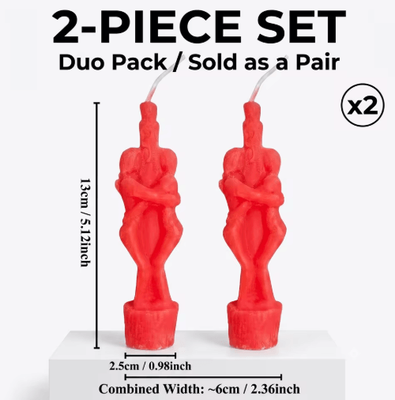
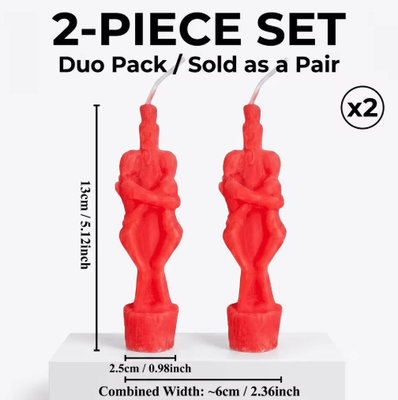
Inspire Picks Red Ritual Candle Esoteric Spiritual Male & Female Figure Candle For Meditation, Prayer & Religious Ceremonies 2 PcsCreate a peaceful and meaningful atmosphere with this ritual candle designed for spiritual practices, meditation, and ceremonial use. Crafted in a distinctive male or female figure design, this spiritual candle serves as a symbolic decorative piece...65,59 $*Shipping: 0,00 $Secure redirect to the provider
-
Skip's Garage Faith Over Fear Cornhole Boards"Includes: (2) ACA Regulation Size Cornhole Boards. Boards are Regulation 24"" Wide x 48"" Long. Easily Add All-Weather Resin Filled Bags. Add Accessories like a Carrying Case or Board Lights. Lights are Multicolor and Easily Change Colors & Modes."471,49 $*Shipping: 0,00 $Secure redirect to the provider



-
Where do the Huns originate from?
The Huns were a nomadic group of people who originated from the steppes of Central Asia, specifically from the region of modern-day Mongolia. They were known for their skilled horsemanship and their ability to traverse vast distances on horseback. The Huns eventually migrated westward, coming into contact with various civilizations and empires, including the Roman Empire. Their aggressive and warlike nature led to conflicts with these settled societies, and they became a significant force in shaping the history of Europe and Asia during the late antiquity period. **
-
Why are Germans abroad referred to as Huns?
Germans abroad are sometimes referred to as Huns due to historical associations with the ancient Huns, a nomadic warrior people who were known for their military prowess and aggression. During World War I, British and American propaganda often depicted Germans as barbaric and ruthless, drawing parallels between them and the Huns. This negative portrayal led to the use of the term "Huns" as a derogatory nickname for Germans. However, it is important to note that this term is considered offensive and should not be used to describe Germans. **
-
What are the differences and similarities between the Huns and the Mongols?
The Huns and the Mongols were both nomadic warrior groups that originated from the steppes of Central Asia. Both groups were known for their fierce military tactics and their ability to conquer vast territories. However, there are also significant differences between the two groups. The Huns were active in Europe during the late Roman Empire, while the Mongols emerged in the 13th century and conquered much of Asia and Eastern Europe. Additionally, the Huns were known for their raids and invasions, while the Mongols established a vast empire and were known for their administrative and cultural achievements. **
-
How many children and wives did Attila, the King of the Huns, have?
Attila, the King of the Huns, had multiple wives, but the exact number is not definitively known. He is believed to have had several children, including Ellac, Dengizich, and Ernak. Attila's sons played significant roles in the Hunnic Empire after his death, with Ellac succeeding him as king. **


Why were the Germans often referred to as Huns in the First World War?
The term "Huns" was used to dehumanize and demonize the German soldiers during World War I. The comparison to the Huns, a group known for their brutality and savagery, was meant to portray the Germans as ruthless and barbaric. This propaganda tactic was used to boost morale among Allied forces and to justify the war effort against the Germans. The use of the term "Huns" helped to create a negative image of the enemy and rally support for the war. **
Is spirituality the same as faith?
Spirituality and faith are related concepts but not exactly the same. Faith typically refers to a belief in something without requiring evidence, often associated with religious beliefs. On the other hand, spirituality is a broader concept that can encompass a sense of connection to something greater than oneself, a search for meaning and purpose in life, and personal growth and self-awareness. While faith can be a component of spirituality, spirituality can exist without a specific religious belief. **
Top-Angebote
Products related to Huns:
-
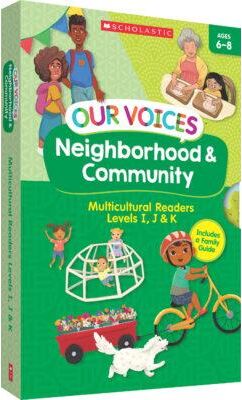
Our Voices: Neighborhood & Community Boxed SetFoster a feeling of belonging while building key reading skills with these colorful storybooks that spotlight a variety of neighborhoods and communities. The 10 charming stories feature characters from different cultural backgrounds who learn about...30,59 $*Shipping: 0,00 $Secure redirect to the provider
-
Inspire Picks Red Ritual Candle Esoteric Spiritual Male & Female Figure Candle For Meditation, Prayer & Religious Ceremonies 1 PcsCreate a peaceful and meaningful atmosphere with this ritual candle designed for spiritual practices, meditation, and ceremonial use. Crafted in a distinctive male or female figure design, this spiritual candle serves as a symbolic decorative piece...61,32 $*Shipping: 0,00 $Secure redirect to the provider
-
Nails Inc. Plant Power long-lasting nail polish shade What's Your Spirituality 14 mlNails Inc. Plant Power, 14 ml, Nail Varnishes for Women, A gorgeous manicure as though you’d just left the nail salon? The Nails Inc. Plant Power nail polish lets you achieve it in the comfort of your own home. It coats the surface of the nail with a continuous layer of long-lasting, intense colour with a glossy finish, helping to give your nails a manicured, perfectly groomed look. You can use it to accentuate your nails or perhaps to enhance your outfit and style. So which colour will you choose to make your nails pop? Characteristics: bright, rich colour ensures a high gloss easy to apply Ingredients: vegan product no acetone How to use: Apply the polish using a brush for polish-free, degreased nails. For best results, apply two layers.8,70 £*Shipping: 3,99 £Secure redirect to the provider
-
Skip's Garage Faith Over Fear Cornhole Boards"Includes: (2) ACA Regulation Size Cornhole Boards. Boards are Regulation 24"" Wide x 48"" Long. Easily Add All-Weather Resin Filled Bags. Add Accessories like a Carrying Case or Board Lights. Lights are Multicolor and Easily Change Colors & Modes."351,99 $*Shipping: 0,00 $Secure redirect to the provider
-
What are Huns?
The Huns were a nomadic group of people who originated from the steppes of Central Asia. They were known for their fierce warrior culture and their skilled horsemanship. The Huns were a significant threat to the Roman Empire and other civilizations during the late antiquity period, as they launched devastating raids and invasions across Europe and Asia. Under the leadership of Attila the Hun, they established a powerful empire that posed a significant challenge to the Roman Empire. **
-
Are there still Huns today?
The Huns as an ancient nomadic group no longer exist today. However, there are still descendants of the Huns living in various parts of the world, particularly in Central Asia and Eastern Europe. These descendants have integrated into modern societies and may not identify themselves as Huns, but they carry the genetic and cultural legacy of their ancestors. The Huns' impact on history and their descendants' presence today serve as a reminder of the interconnectedness of human history and the enduring influence of ancient civilizations. **
-
Where do the Huns originate from?
The Huns were a nomadic group of people who originated from the steppes of Central Asia, specifically from the region of modern-day Mongolia. They were known for their skilled horsemanship and their ability to traverse vast distances on horseback. The Huns eventually migrated westward, coming into contact with various civilizations and empires, including the Roman Empire. Their aggressive and warlike nature led to conflicts with these settled societies, and they became a significant force in shaping the history of Europe and Asia during the late antiquity period. **
-
Why are Germans abroad referred to as Huns?
Germans abroad are sometimes referred to as Huns due to historical associations with the ancient Huns, a nomadic warrior people who were known for their military prowess and aggression. During World War I, British and American propaganda often depicted Germans as barbaric and ruthless, drawing parallels between them and the Huns. This negative portrayal led to the use of the term "Huns" as a derogatory nickname for Germans. However, it is important to note that this term is considered offensive and should not be used to describe Germans. **
Similar search terms for Huns
-
Inspire Picks Red Ritual Candle Esoteric Spiritual Male & Female Figure Candle For Meditation, Prayer & Religious Ceremonies 2 PcsCreate a peaceful and meaningful atmosphere with this ritual candle designed for spiritual practices, meditation, and ceremonial use. Crafted in a distinctive male or female figure design, this spiritual candle serves as a symbolic decorative piece...65,59 $*Shipping: 0,00 $Secure redirect to the provider
-
Skip's Garage Faith Over Fear Cornhole Boards"Includes: (2) ACA Regulation Size Cornhole Boards. Boards are Regulation 24"" Wide x 48"" Long. Easily Add All-Weather Resin Filled Bags. Add Accessories like a Carrying Case or Board Lights. Lights are Multicolor and Easily Change Colors & Modes."471,49 $*Shipping: 0,00 $Secure redirect to the provider
-
Skip's Garage Faith Over Fear Cornhole Boards"Includes: (2) ACA Regulation Size Cornhole Boards. Boards are Regulation 24"" Wide x 48"" Long. Easily Add All-Weather Resin Filled Bags. Add Accessories like a Carrying Case or Board Lights. Lights are Multicolor and Easily Change Colors & Modes."351,99 $*Shipping: 0,00 $Secure redirect to the provider
-
Skip's Garage Faith Over Fear Cornhole Boards"Includes: (2) ACA Regulation Size Cornhole Boards. Boards are Regulation 24"" Wide x 48"" Long. Easily Add All-Weather Resin Filled Bags. Add Accessories like a Carrying Case or Board Lights. Lights are Multicolor and Easily Change Colors & Modes."385,49 $*Shipping: 0,00 $Secure redirect to the provider
-
What are the differences and similarities between the Huns and the Mongols?
The Huns and the Mongols were both nomadic warrior groups that originated from the steppes of Central Asia. Both groups were known for their fierce military tactics and their ability to conquer vast territories. However, there are also significant differences between the two groups. The Huns were active in Europe during the late Roman Empire, while the Mongols emerged in the 13th century and conquered much of Asia and Eastern Europe. Additionally, the Huns were known for their raids and invasions, while the Mongols established a vast empire and were known for their administrative and cultural achievements. **
-
How many children and wives did Attila, the King of the Huns, have?
Attila, the King of the Huns, had multiple wives, but the exact number is not definitively known. He is believed to have had several children, including Ellac, Dengizich, and Ernak. Attila's sons played significant roles in the Hunnic Empire after his death, with Ellac succeeding him as king. **
-
Why were the Germans often referred to as Huns in the First World War?
The term "Huns" was used to dehumanize and demonize the German soldiers during World War I. The comparison to the Huns, a group known for their brutality and savagery, was meant to portray the Germans as ruthless and barbaric. This propaganda tactic was used to boost morale among Allied forces and to justify the war effort against the Germans. The use of the term "Huns" helped to create a negative image of the enemy and rally support for the war. **
-
Is spirituality the same as faith?
Spirituality and faith are related concepts but not exactly the same. Faith typically refers to a belief in something without requiring evidence, often associated with religious beliefs. On the other hand, spirituality is a broader concept that can encompass a sense of connection to something greater than oneself, a search for meaning and purpose in life, and personal growth and self-awareness. While faith can be a component of spirituality, spirituality can exist without a specific religious belief. **
* All prices are inclusive of VAT and, if applicable, plus shipping costs. The offer information is based on the details provided by the respective shop and is updated through automated processes. Real-time updates do not occur, so deviations can occur in individual cases. ** Note: Parts of this content were created by AI.