Buy ditip.eu ?
We are moving the project
ditip.eu .
Are you interested in purchasing the domain
ditip.eu ?
domain@kv-gmbh.de · 0541-91531010
Buy ditip.eu ?
How can I practice my faith?
You can practice your faith by engaging in regular prayer, meditation, and reflection. Participating in religious services, rituals, and ceremonies can also help you strengthen your faith. Additionally, studying religious texts, teachings, and traditions can deepen your understanding and connection to your faith. Finally, living out the values and principles of your faith in your daily life through acts of kindness, compassion, and service to others is a powerful way to practice your faith. **
What is the right practice of faith?
The right practice of faith involves living out one's beliefs in a way that is compassionate, loving, and respectful towards others. It means treating others with kindness and empathy, and striving to make a positive impact on the world. It also involves seeking understanding and connection with a higher power, and being open to growth and learning in one's spiritual journey. Ultimately, the right practice of faith is about living with integrity and authenticity, and striving to make the world a better place for all. **
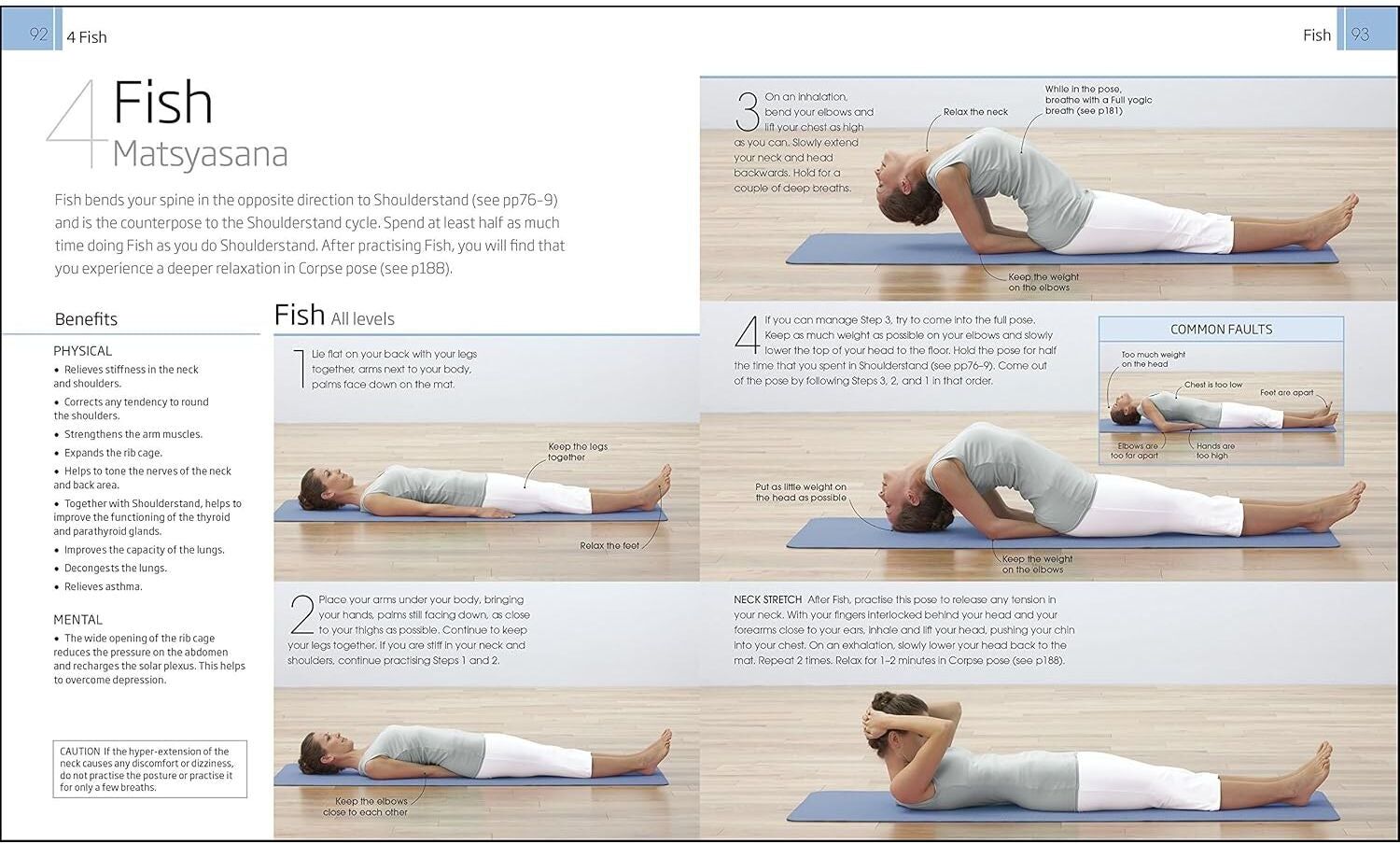

Similar search terms for Practice
Top-Angebote
Products related to Practice:
-
Perfect Picks Market Soft Bullet Target Practice Toy For Children Educational Shooting Practice Toy With Safe Soft Bullets blueLooking for a fun and educational toy to keep your child engaged This Soft Bullet Target Practice Toy is perfect for kids who love shooting games! Designed with safety in mind, it uses soft bullets for a worryfree experience. Ideal for developing...39,97 $*Shipping: 0,00 $Secure redirect to the provider
-
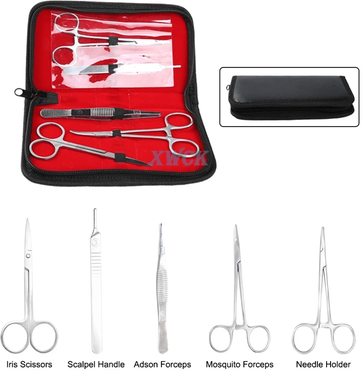
Inspire Essentials Medical Suture Practice Kit Silicone Skin Training Pad Set Medical Suture Practice Kit Silicone Skin Training Pad SetBuild confidence and precision before working on real patients. This suture practice kit is designed to help students and professionals develop proper stitching techniques in a safe controlled environment. Made with realistic silicone skin it mimics...48,48 $*Shipping: 0,00 $Secure redirect to the provider
-
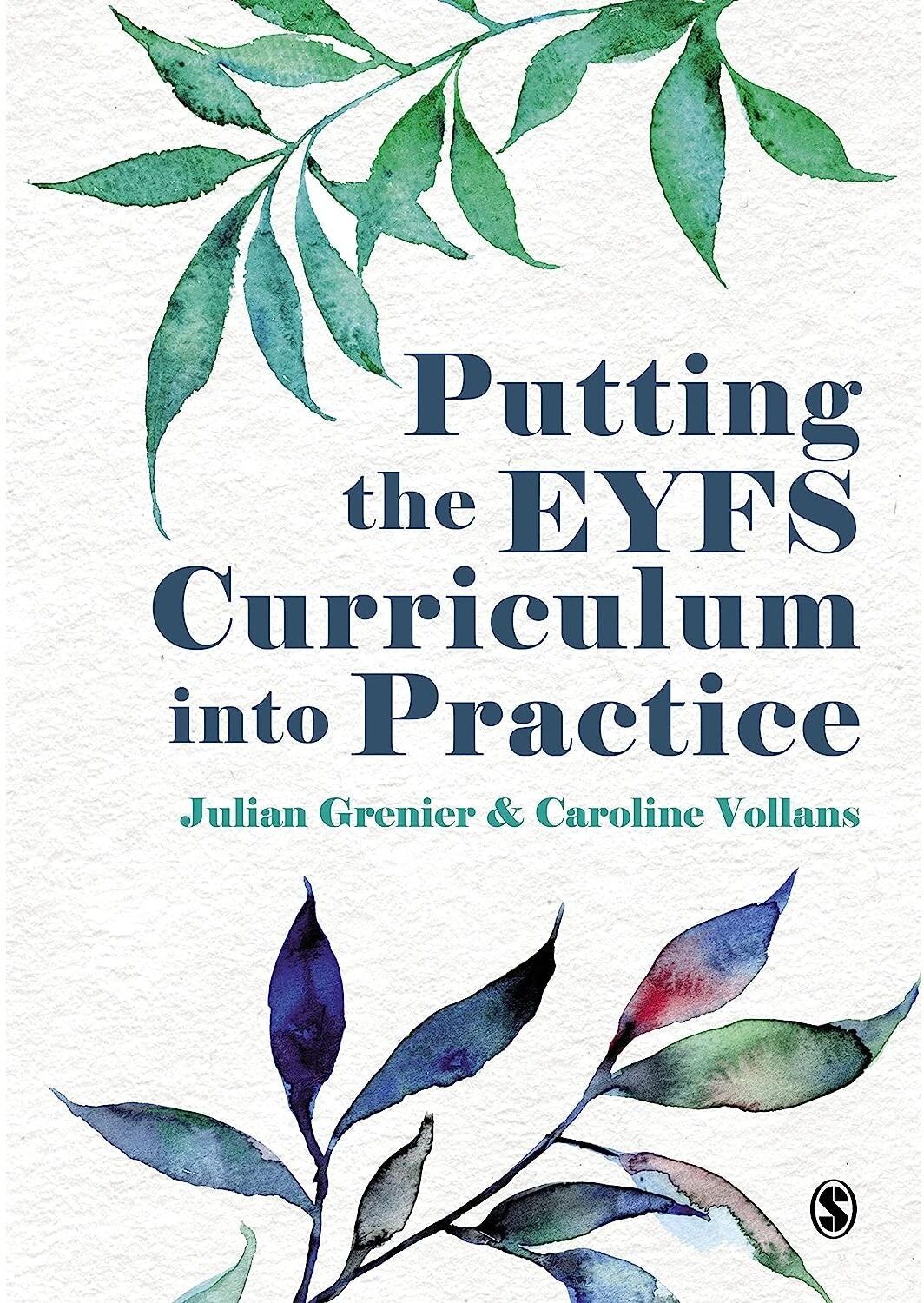
SAGE Publications Putting the EYFS Curriculum into PracticeHow should practitioners and leaders set about designing and implementing their curriculum in the Early Years Foundation Stage? Written by experts in the field, this book provides clear, practical guidance on each of the 7 areas of learning and development in the revised (2021) EYFS. Chapters cover key topics including, assessment, inclusion of children with SEND, English as an Additional Language, equalities, anti-racism, provision for disadvantaged children, professional development and using research and evidence.Designed for practising teachers, early years educators, students on early years degrees and trainee teachers, this engaging book provides an accessible guide to putting revised EYFS into practice.20,99 £*Shipping: 2,99 £Secure redirect to the provider
-
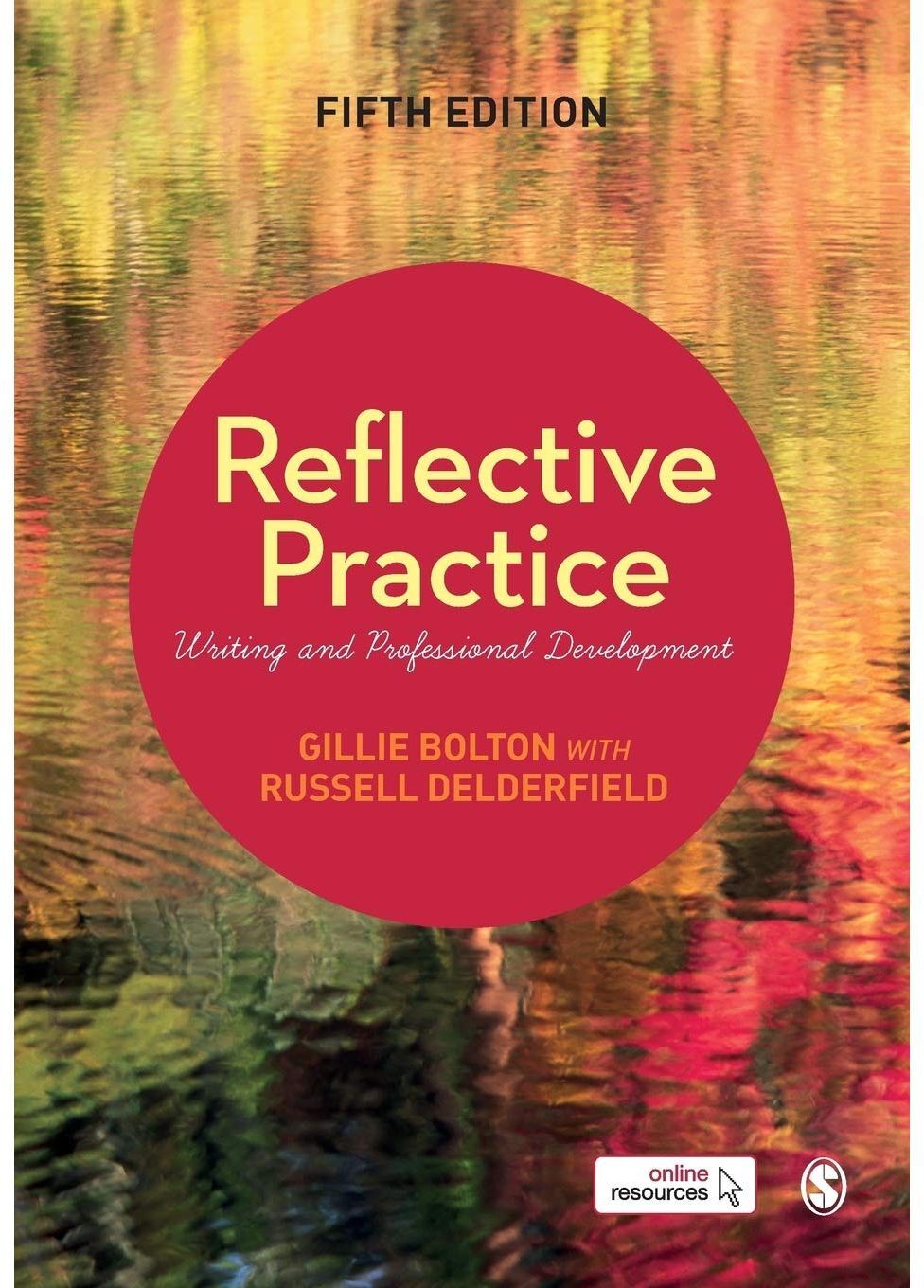
SAGE Publications Reflective Practice: Writing and Professional DevelopmentReflecting thoughtfully on your work is vital for improving your own self-awareness, effectiveness and professional development. This newly updated fifth edition of Gillie Bolton’s bestselling book explores reflective writing as a creative and dynamic process for this critical enquiry. New to this edition: An expanded range of exercises and activities A new emphasis on using e-portfolios Further guidance on reflective writing assignments Enhanced discussion of reflection as a key employability skill Additional online resources This popular book has been used worldwide in various disciplines including education, social work, business and management, medicine and healthcare and is essential reading for students and professionals seeking to enhance their reflective writing skills and to examine their own practice in greater critical depth.18,19 £*Shipping: 2,99 £Secure redirect to the provider

-
How can one practice meditation without binaural beats?
One can practice meditation without binaural beats by focusing on their breath, using guided meditation recordings, or simply sitting in silence and observing their thoughts. Focusing on the breath is a common meditation technique that involves paying attention to the sensation of breathing in and out. Guided meditation recordings provide verbal instructions and prompts to help guide the meditation practice. Sitting in silence and observing thoughts involves sitting quietly and allowing thoughts to come and go without getting attached to them. These are all effective ways to practice meditation without the use of binaural beats. **
-
How can one practice meditation through conscious breathing?
One can practice meditation through conscious breathing by focusing their attention on the sensation of their breath as it enters and leaves their body. This can be done by finding a comfortable position, closing the eyes, and bringing awareness to the natural rhythm of the breath. By consciously observing the breath, one can cultivate a sense of calm and presence, and gradually quiet the mind. This practice can be done for a few minutes or longer, and can be integrated into daily routines to promote relaxation and mindfulness. **
-
Should one practice yoga or meditation during a psychosis?
It is generally not recommended to practice yoga or meditation during a psychosis, as these practices can potentially exacerbate symptoms and may not be safe for individuals experiencing a psychotic episode. It is important for individuals experiencing psychosis to seek professional medical help and follow the treatment plan prescribed by a healthcare provider. Once the psychosis is under control and with the guidance of a healthcare professional, yoga and meditation may be incorporated into a holistic treatment plan to support mental well-being. **
-
Can one practice meditation without the spiritual aspect, or is meditation always spiritual?
Meditation can be practiced without the spiritual aspect, as it is fundamentally a mental and physical exercise that focuses on mindfulness and relaxation. Many people practice meditation purely for its physical and mental health benefits, such as stress reduction and improved focus, without any spiritual intentions. However, meditation does have roots in various spiritual and religious traditions, and for some individuals, it may have a spiritual component. Ultimately, the practice of meditation can be tailored to suit an individual's personal beliefs and intentions. **
How long should one practice meditation to achieve deep absorption?
The amount of time needed to achieve deep absorption in meditation can vary from person to person. Some individuals may experience deep absorption after just a few minutes of practice, while others may require longer periods of meditation. It is important to listen to your body and mind and gradually increase the duration of your meditation practice as you become more comfortable and experienced. Consistency and regularity in your practice are key factors in achieving deep absorption in meditation. It is recommended to start with shorter sessions, such as 10-15 minutes, and gradually increase the duration as you feel ready. **
Is spirituality the same as faith?
Spirituality and faith are related concepts but not exactly the same. Faith typically refers to a belief in something without requiring evidence, often associated with religious beliefs. On the other hand, spirituality is a broader concept that can encompass a sense of connection to something greater than oneself, a search for meaning and purpose in life, and personal growth and self-awareness. While faith can be a component of spirituality, spirituality can exist without a specific religious belief. **
Top-Angebote
Products related to Practice:
-
DK Yoga Your Home Practice Companion: A Complete Practice and Lifestyle Guide: Yoga Programmes, Meditation Exercises, and Nourishing RecipesAchieve a healthy body, mental alertness, and inner serenity through the practice of hatha yoga. Introducing Yoga Your Home Practice Companion, an all-encompassing yoga guide combining step-by-step asanas, detailed illustrations, programmes, mindfulness techniques, diet advice, and recipes together, to achieve optimum health, wellness and mindfulness! In today's fast-paced world it's easy to lose the balance in our lives and the connection with our bodies. DK believes it's time to change that! This wonderful wellness book offers nurturing remedies to the stress and hustle of everyday life within a complete practice and lifestyle guide for students of all abilities. Dive straight in to discover: -Over 40 healthy plant-based recipes and curated expert diet advice -Top tips on handy mindfulness techniques to tailor to your individual environment -Detailed visual illustrations to accompany easy-to-follow guides to mindfulness Master breathing and mindfulness techniques to recharge your energy levels and combat stress. Embrace a healthier more yogic way of eating with diet advice and more than 40 nutritious plant-based recipes. Written by the experts from the world-renowned Sivananda Yoga Vedana Centres, Yoga: Your Home Practice Companion has everything you need in one complete package. Whether your goal is to create clean-eating habits going forward, or master the art of mindfulness, Yoga: Your Home Practice Companion is a one-stop guide to achieving a healthy mind, body and soul through the wide range of yoga poses, riveting recipes and mindfulness techniques it encompasses. Fancy a new you this New Year but don't know where to begin? No worries, we've got you covered! Why not stretch your limits and push yourself even further this New You by adopting a healthy and happy lifestyle and maximise your mindfulness? Perhaps your mind, body and soul will thank you!6,45 £*Shipping: 2,99 £Secure redirect to the provider
-
Perfect Picks Market Soft Bullet Target Practice Toy For Children Educational Shooting Practice Toy With Safe Soft Bullets blueLooking for a fun and educational toy to keep your child engaged This Soft Bullet Target Practice Toy is perfect for kids who love shooting games! Designed with safety in mind, it uses soft bullets for a worryfree experience. Ideal for developing...39,97 $*Shipping: 0,00 $Secure redirect to the provider
-
Inspire Essentials Medical Suture Practice Kit Silicone Skin Training Pad Set Medical Suture Practice Kit Silicone Skin Training Pad SetBuild confidence and precision before working on real patients. This suture practice kit is designed to help students and professionals develop proper stitching techniques in a safe controlled environment. Made with realistic silicone skin it mimics...48,48 $*Shipping: 0,00 $Secure redirect to the provider
-
How can I practice my faith?
You can practice your faith by engaging in regular prayer, meditation, and reflection. Participating in religious services, rituals, and ceremonies can also help you strengthen your faith. Additionally, studying religious texts, teachings, and traditions can deepen your understanding and connection to your faith. Finally, living out the values and principles of your faith in your daily life through acts of kindness, compassion, and service to others is a powerful way to practice your faith. **
-
What is the right practice of faith?
The right practice of faith involves living out one's beliefs in a way that is compassionate, loving, and respectful towards others. It means treating others with kindness and empathy, and striving to make a positive impact on the world. It also involves seeking understanding and connection with a higher power, and being open to growth and learning in one's spiritual journey. Ultimately, the right practice of faith is about living with integrity and authenticity, and striving to make the world a better place for all. **
-
How can one practice meditation without binaural beats?
One can practice meditation without binaural beats by focusing on their breath, using guided meditation recordings, or simply sitting in silence and observing their thoughts. Focusing on the breath is a common meditation technique that involves paying attention to the sensation of breathing in and out. Guided meditation recordings provide verbal instructions and prompts to help guide the meditation practice. Sitting in silence and observing thoughts involves sitting quietly and allowing thoughts to come and go without getting attached to them. These are all effective ways to practice meditation without the use of binaural beats. **
-
How can one practice meditation through conscious breathing?
One can practice meditation through conscious breathing by focusing their attention on the sensation of their breath as it enters and leaves their body. This can be done by finding a comfortable position, closing the eyes, and bringing awareness to the natural rhythm of the breath. By consciously observing the breath, one can cultivate a sense of calm and presence, and gradually quiet the mind. This practice can be done for a few minutes or longer, and can be integrated into daily routines to promote relaxation and mindfulness. **
Similar search terms for Practice
-
SAGE Publications Putting the EYFS Curriculum into PracticeHow should practitioners and leaders set about designing and implementing their curriculum in the Early Years Foundation Stage? Written by experts in the field, this book provides clear, practical guidance on each of the 7 areas of learning and development in the revised (2021) EYFS. Chapters cover key topics including, assessment, inclusion of children with SEND, English as an Additional Language, equalities, anti-racism, provision for disadvantaged children, professional development and using research and evidence.Designed for practising teachers, early years educators, students on early years degrees and trainee teachers, this engaging book provides an accessible guide to putting revised EYFS into practice.20,99 £*Shipping: 2,99 £Secure redirect to the provider
-
SAGE Publications Reflective Practice: Writing and Professional DevelopmentReflecting thoughtfully on your work is vital for improving your own self-awareness, effectiveness and professional development. This newly updated fifth edition of Gillie Bolton’s bestselling book explores reflective writing as a creative and dynamic process for this critical enquiry. New to this edition: An expanded range of exercises and activities A new emphasis on using e-portfolios Further guidance on reflective writing assignments Enhanced discussion of reflection as a key employability skill Additional online resources This popular book has been used worldwide in various disciplines including education, social work, business and management, medicine and healthcare and is essential reading for students and professionals seeking to enhance their reflective writing skills and to examine their own practice in greater critical depth.18,19 £*Shipping: 2,99 £Secure redirect to the provider
-
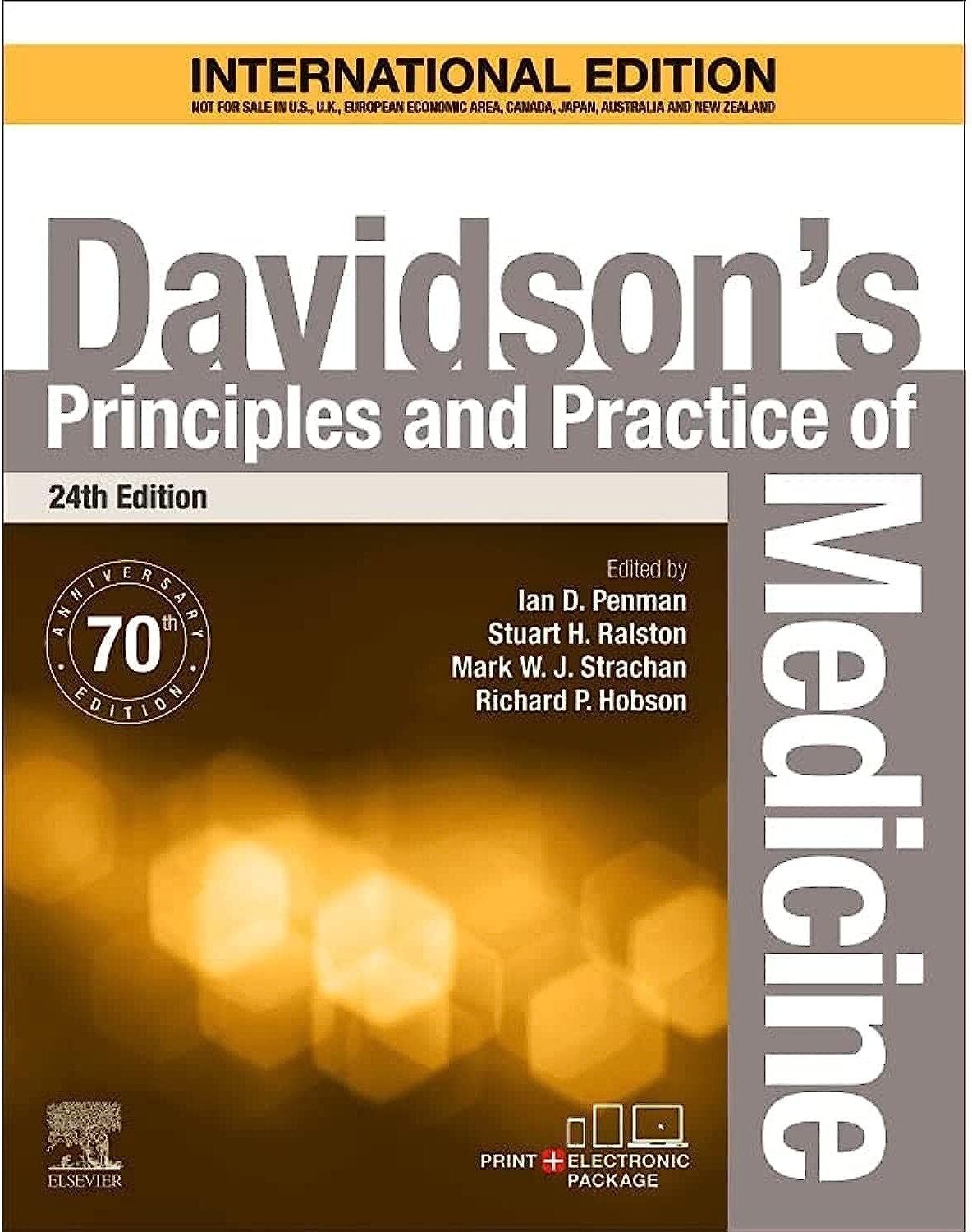
Elsevier Davidsons Principles and Practice of Medicine International EditionWell over two million medical students, doctors and other health professionals around the globe have owned a copy of Davidson’s Principles and Practice of Medicine since it was first published over 70 years ago. Now in its 24th Edition, this thoroughly updated textbook describes the pathophysiology and clinical features of the most frequently encountered conditions in the major specialties of adult medicine, and explains how to recognise, investigate, diagnose and manage them. Taking its origins from Sir Stanley Davidson’s much-admired lecture notes, Davidson’s has endured because it keeps pace with how modern medicine is taught and provides a wealth of trusted information in an easy-to-read, concise and beautifully illustrated format. Key features: Part 1 ‘Fundamentals of Medicine’ - provides an account of the principles of genetics, immunology, infectious diseases, population health, oncology and pain management, along with a discussion of the core principles behind clinical decision-making and good prescribing. Part 2 ‘Emergency and Critical Care Medicine’ - covers medical emergencies in poisoning, envenomation and medicine in austere environments, as well as common presentations in acute medicine and the recognition and management of the critically ill. Part 3 ‘Clinical Medicine’- covers the major medical specialties, each thoroughly revised and brought fully up to date. A new section on COVID-19 has been added and the impact of this infection is described throughout the book. Clinical Examination overviews - extended and updated to summarise the main elements for each system. Presenting Problems sections - provide a clear pathway for the assessment of and approach to the most common complaints in each specialty. Practice Point summaries - detail the practical skills that medical students and junior doctors must acquire. Emergency boxes - emphasise the core knowledge needed to manage acutely ill patients. In Old Age, In Pregnancy and In Adolescence boxes - highlight differences in the practice of medicine in these patient groups, and illustrate the interfaces between medical, obstetric and paediatric services. The text is extensively illustrated, with over 1000 diagrams, clinical photographs, and radiology and pathology images. The global perspective is enhanced by an International Advisory Board of experts from 11 countries and by leading authors from around the world.29,99 £*Shipping: 2,99 £Secure redirect to the provider
-
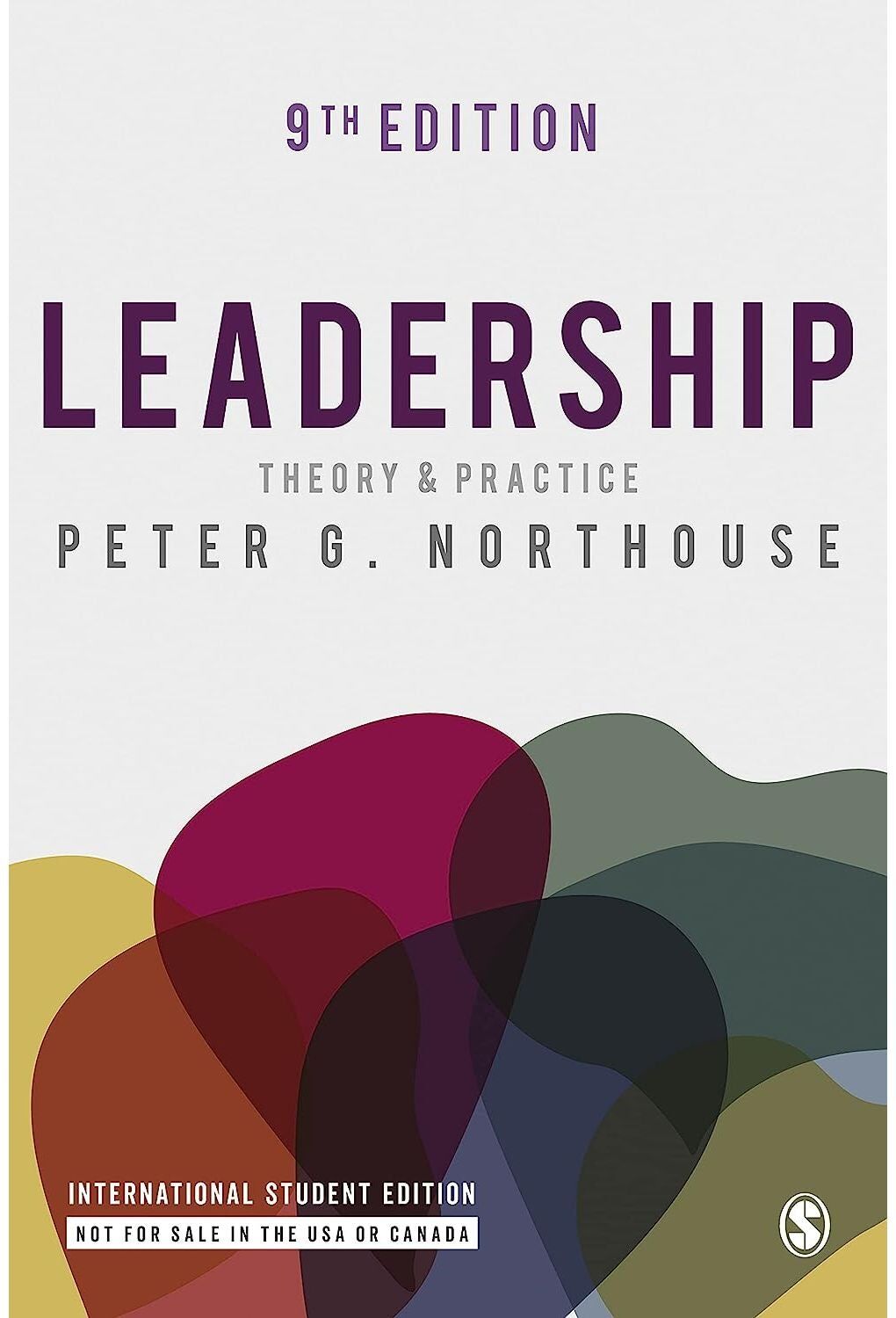
SAGE Publications Leadership - International Student Edition: Theory and PracticeThe market-leading Leadership: Theory and Practice by Peter G. Northouse presents an academically robust account of the major theories and models of leadership with a focus on how theory can inform practice. Case studies and questionnaires provide students with practical examples and opportunities to deepen their understanding of their own leadership style.The fully updated Ninth Edition features a new chapter on inclusive leadership, 17 new real-world cases that profile leaders from across the globe, a new discussion on leadership and morality, and examples of timely issues such as leadership during the COVID-19 pandemic. Key features include: A consistent chapter structure that outlines each approach and the major studies behind them, presents strengths and criticisms for each approach, and provides case studies and a self-assessment questionnaire at the end of each chapter, allowing students to easily compare and contrast the various theories. Three case studies in each chapter help students to apply leadership concepts in real-world scenarios. Self-assessments within each chapter provides self-assessment and reflection opportunities for each theory presented.45,49 £*Shipping: 0,00 £Secure redirect to the provider
-
Should one practice yoga or meditation during a psychosis?
It is generally not recommended to practice yoga or meditation during a psychosis, as these practices can potentially exacerbate symptoms and may not be safe for individuals experiencing a psychotic episode. It is important for individuals experiencing psychosis to seek professional medical help and follow the treatment plan prescribed by a healthcare provider. Once the psychosis is under control and with the guidance of a healthcare professional, yoga and meditation may be incorporated into a holistic treatment plan to support mental well-being. **
-
Can one practice meditation without the spiritual aspect, or is meditation always spiritual?
Meditation can be practiced without the spiritual aspect, as it is fundamentally a mental and physical exercise that focuses on mindfulness and relaxation. Many people practice meditation purely for its physical and mental health benefits, such as stress reduction and improved focus, without any spiritual intentions. However, meditation does have roots in various spiritual and religious traditions, and for some individuals, it may have a spiritual component. Ultimately, the practice of meditation can be tailored to suit an individual's personal beliefs and intentions. **
-
How long should one practice meditation to achieve deep absorption?
The amount of time needed to achieve deep absorption in meditation can vary from person to person. Some individuals may experience deep absorption after just a few minutes of practice, while others may require longer periods of meditation. It is important to listen to your body and mind and gradually increase the duration of your meditation practice as you become more comfortable and experienced. Consistency and regularity in your practice are key factors in achieving deep absorption in meditation. It is recommended to start with shorter sessions, such as 10-15 minutes, and gradually increase the duration as you feel ready. **
-
Is spirituality the same as faith?
Spirituality and faith are related concepts but not exactly the same. Faith typically refers to a belief in something without requiring evidence, often associated with religious beliefs. On the other hand, spirituality is a broader concept that can encompass a sense of connection to something greater than oneself, a search for meaning and purpose in life, and personal growth and self-awareness. While faith can be a component of spirituality, spirituality can exist without a specific religious belief. **
* All prices are inclusive of VAT and, if applicable, plus shipping costs. The offer information is based on the details provided by the respective shop and is updated through automated processes. Real-time updates do not occur, so deviations can occur in individual cases. ** Note: Parts of this content were created by AI.